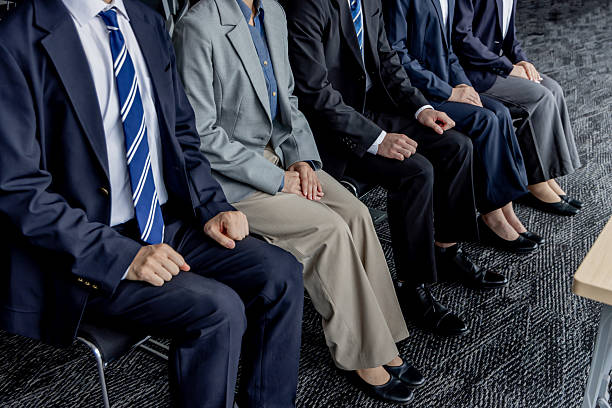
If you are unsure what to wear to a job interview in Hong Kong, use one practical rule: match the company’s level of formality, then dress slightly more polished than its normal working day. You do not need an expensive suit or a wardrobe full of designer labels. You need clean, well-fitting, coordinated clothes that make sense for the role you want. That distinction matters because there is no single interview dress code for every Hong Kong workplace.
A front-office banking interview, a law-firm meeting, a creative-agency interview and a technology start-up interview can call for different levels of formality. Even within the same industry, one employer may expect traditional business attire while another operates in chinos and trainers.
The safest approach in 2026 is therefore not to memorise a rigid list of acceptable job interview outfits. Instead, learn how to read the company, role and interview context. Once you know whether the environment is formal, business casual or genuinely smart casual, putting together appropriate interview clothes becomes much easier.
There is also a very Hong Kong practical point: your journey may involve heat and humidity outdoors followed by strong office air-conditioning. Choose fabrics and layers that remain presentable after the commute. If you are wearing a blazer or suit jacket, it is perfectly sensible to carry it carefully during the journey and put it on shortly before entering the office rather than arriving visibly overheated.
How Do You Choose the Right Interview Dress Code?
The right outfit starts with research, not shopping. Before deciding that you “need a suit” or that a company is “casual”, spend a few minutes looking at how the organisation presents itself and how employees in comparable roles appear in public-facing materials.
Hong Kong career guidance in 2026 consistently points in the same direction: understand the employer and industry, keep your appearance neat and professional, and avoid dressing more casually than the situation warrants. Jobsdb notes that even where company culture appears relaxed, candidates are generally safer dressing professionally for an interview unless told otherwise. Robert Half likewise recommends researching how people at the company dress through sources such as the organisation’s website and social media.
| Signal to Check | What to Look For | Safer Interview Choice | Why It Matters |
|---|---|---|---|
| Company and industry | Website photos, LinkedIn or social media, client-facing environment, employer branding and office culture | If uncertain, choose business professional or one level above the company’s normal daily dress | Your outfit should fit the professional context without looking careless or dramatically out of place. |
| Role seniority and client exposure | Whether the role deals with clients, regulators, investors, senior management or the public | Increase formality as external visibility and seniority increase | Roles representing the organisation externally usually carry higher presentation expectations. |
| Job description and interview format | Terms such as corporate, front office, client-facing, creative, start-up, site visit or virtual interview | Traditional corporate roles lean formal; genuinely informal workplaces may support polished business or smart casual | The same job title can sit in very different workplace cultures. |
| Recruiter guidance | Dress instructions in the interview invitation, recruiter email or scheduling call | Follow explicit guidance; ask when the instruction is unclear | A recruiter can tell you whether the employer expects formal business wear or a more relaxed look. |
Check the Company and Industry
Industry remains one of the strongest clues. Banking, investment management, accounting, legal services and traditional professional services generally lean towards a more conservative interview dress code. A matching suit, structured tailoring or another business-professional combination is unlikely to surprise an interviewer in those settings.
Technology, advertising, design, media and some start-ups can be more relaxed. But “employees wear T-shirts in office photos” does not automatically mean you should interview in the same outfit. An interview is a professional meeting, not an ordinary working day.
Look at several signals rather than one photograph. Check the company’s careers pages, senior-management photographs, recruitment videos and LinkedIn posts. Pay particular attention to employees performing a role similar to the one you are applying for. Developers and designers may dress differently from salespeople or client-facing managers within the same technology company.
Also consider who the organisation serves. A young company selling enterprise software to banks may have a relaxed internal office but expect client-facing employees to look more corporate. Conversely, a design studio may see a rigid dark suit as unnecessarily formal if its normal client meetings are smart casual.
The goal is not to imitate employees exactly. You are trying to identify the lower boundary of acceptable formality, then choose a slightly more polished version for the interview.
Consider the Role You Are Applying For
Your job affects the decision as much as the company. If you will regularly meet customers, investors, regulators, senior executives or external partners, presentation is part of the work. A more formal outfit signals that you understand this responsibility.
For a graduate investment-banking interview, a suit-level outfit is generally safer than a smart casual interview look. The same logic applies to many legal, audit, corporate-finance and senior client-facing positions.
For an internal technology role, graphic designer or creative producer, a well-coordinated business-casual outfit may make more sense. Even then, cleanliness and fit remain non-negotiable. “Casual company” should never be interpreted as permission to arrive in visibly worn trainers, creased clothing or a T-shirt you might wear at home.
Operational roles introduce another consideration: safety. If an interview includes a site tour, workshop or construction environment, check whether there are footwear or safety requirements. The outfit for the office interview may not be suitable for walking around an active site.
Seniority matters too. The higher the role, the less useful it is to think only in terms of individual garments. A senior candidate should consider the complete impression: tailoring, grooming, accessories, bag, shoes and how comfortably the whole outfit works together.
Ask the Recruiter When You Are Unsure
There is no penalty for asking a sensible dress-code question. If a recruiter arranged the interview, you can simply write:
“Could you let me know whether there is a preferred dress code for the interview?”
Or, if you already know the workplace is informal:
“I understand the office has a relatively casual dress code. Would you recommend business casual for the interview?”
This is more useful than guessing. Indeed Hong Kong specifically advises candidates to ask recruiters about workplace dress when possible and to research the employer when no one is available to clarify.
If the recruiter says “casual is fine”, you still do not need to test the outer limits of casual. Translate it into polished smart casual: clean, coordinated pieces, sensible footwear and nothing distracting.
What Job Interview Outfits Work for Different Dress Codes?
Most Hong Kong interview situations can be placed somewhere across three practical levels: business professional, business casual and smart casual. You do not need a completely separate wardrobe for all three. A few versatile pieces can move up or down in formality depending on how you combine them.
For example, tailored trousers and a plain shirt can work in all three levels. Add a matching suit jacket and polished formal shoes and the combination becomes business professional. Add a blazer and loafers and it becomes business casual. Remove the blazer, use a neat knit or plain polo and keep the trousers structured, and it moves towards smart casual.
| Dress Code | Suitable Outfit Formula | Works Well For | Avoid |
|---|---|---|---|
| Formal / Business Professional | Matching suit or structured blazer with tailored trousers, skirt or professional dress; collared shirt or blouse; polished professional shoes | Banking, legal, accounting, consulting, senior corporate, client-facing and conservative workplaces | Wrinkled clothes, loud prints, novelty accessories, sports shoes and heavily distressed denim |
| Business Casual | Blazer or structured knit with tailored trousers, chinos or skirt; button-down shirt, blouse or fine knit; loafers, flats, low heels or other polished shoes | Many corporate offices, professional-services teams and workplaces where a complete suit is unnecessary | Large graphic T-shirts, shorts, beachwear, visibly worn trainers and excessively casual denim |
| Smart Casual | Neat shirt, blouse, knit or plain polo with tailored trousers or chinos; optional blazer; clean understated footwear | Creative, technology, start-up or explicitly informal interviews | Athleisure, flip-flops, ripped jeans, slogan tops and clothing more suited to nightlife than work |
Formal Interview Outfits
Formal interview outfits are the safest choice when the workplace is conservative, the role is senior or client-facing, or you simply cannot determine the company’s expectations.
A matching suit remains the clearest option. Navy, charcoal and other muted colours are easy to coordinate and less distracting than bright patterns. Underneath, choose a plain or lightly patterned collared shirt, blouse or similarly professional top.
Fit matters more than brand. A modestly priced suit with clean lines and the right sleeve and trouser length will usually look more professional than an expensive designer suit that is too tight, too long or visibly creased.
Shoes should look maintained. They do not have to be brand new. Check for dirt, worn surfaces and obvious damage. If your commute involves heavy rain, carrying your interview shoes and changing nearby can be more practical than arriving with soaked footwear.
Accessories should support the outfit rather than become the main topic. A watch, simple jewellery, a belt, understated bag or tie can work well. The moment an accessory repeatedly catches your own attention, consider whether it will distract the interviewer too.
Business Casual Interview Outfits
Business casual is useful when you know a full suit would be more formal than necessary but you still want a clearly professional appearance.
A reliable combination is a blazer with tailored trousers or chinos, paired with a button-down shirt, blouse or simple fine-gauge knit. A structured cardigan can also work when the workplace is less corporate.
The challenge with business casual is that “casual” is easy to overemphasise. Think of it as business clothing with some formality removed, not ordinary weekend clothing made slightly smarter.
Dark, clean denim may be accepted in some workplaces, but it is rarely necessary for an interview. If you are uncertain, tailored trousers or chinos remove the ambiguity. You can always dress more casually after you get the job and understand the culture properly.
For shoes, loafers, polished flats, understated leather shoes or simple low heels are straightforward options. Minimalist trainers may work in certain technology or creative environments, but only if you are confident that the company culture supports them. A more conventional shoe remains the safer choice when you do not know.
Smart Casual Interview Outfits
A smart casual interview should still look intentionally put together. The word “smart” matters as much as “casual”.
Suitable smart casual interview outfits might include tailored trousers with a plain knit, chinos with a button-down shirt, a simple dress with an optional blazer, or a neat plain polo combined with structured trousers. Clothing should be clean, properly fitted and free from distracting graphics.
Indeed Hong Kong’s current informal-interview guidance gives examples such as a blazer with a T-shirt and well-presented jeans or a button-down shirt with khakis, while still emphasising that the candidate should recognise the professional nature of the meeting.
I would treat denim as an optional choice rather than the default in Hong Kong. Unless the recruiter confirms a genuinely relaxed culture, tailored trousers are simpler and carry less risk.
For a virtual smart casual interview, remember that the camera changes how clothes appear. Plain colours and restrained patterns usually work better than tightly packed stripes or busy prints. Indeed’s June 2026 video-interview guidance specifically recommends professional pieces in plain or slightly patterned fabrics and muted colours.
Dress fully even for a video call. Apart from avoiding awkward situations if you need to stand up, getting properly dressed helps create the mental separation between being at home and being in an interview.
Interview Outfits for Women and Men: What Are the Options?
It is useful to show concrete outfit combinations, but candidates should not be forced into rigid gender rules. What matters is whether your clothes are professional, appropriate for the workplace, comfortable and consistent with how you prefer to present yourself.
Hong Kong’s Equal Opportunities Commission recommends gender-neutral workplace policies and states that grooming requirements should be necessary and reasonable for the job, applied even-handedly and avoid subjecting one sex to unfavourable treatment. That is a useful principle when thinking about interview advice too: there is no reason every woman must wear a skirt or every man must wear a tie.

| Formality Level | Women-Oriented Options | Men-Oriented Options | Gender-Neutral Options |
|---|---|---|---|
| Formal | Trouser suit or skirt suit with blouse; structured knee- or midi-length professional dress with blazer; polished flats or low/medium heels | Matching suit, collared shirt, optional conservative tie, polished lace-ups or loafers | Matching or coordinated suit separates, plain collared or blouse-style shirt and polished professional shoes |
| Business Casual | Blazer with tailored trousers or midi skirt; blouse or fine knit; flats, loafers or understated heels | Blazer with chinos or tailored trousers; button-down or fine knit; loafers or clean leather shoes | Structured jacket or cardigan with tailored trousers; plain shirt or knit; understated professional footwear |
| Smart Casual | Plain top or knit with tailored trousers; simple dress; optional blazer; clean understated shoes | Plain polo, button-down or knit with chinos or tailored trousers; optional blazer; clean understated shoes | Plain shirt, polo or knit with chinos or tailored trousers; optional overshirt or blazer; clean minimalist footwear |
Interview Outfits for Women
Good interview outfits for women can include trouser suits, skirt suits, dresses, blazers with tailored trousers, blouses with midi skirts or business-casual combinations built around simple knitwear.
You do not have to wear heels. Professional flats, loafers and other clean, understated shoes are entirely workable. If heels make you uncomfortable or change the way you walk, they are unlikely to improve your interview performance.
Similarly, there is no requirement to wear a skirt. Tailored trousers are standard professional clothing and can work at every level of formality depending on the jacket, top and footwear paired with them.
For a formal corporate interview, a trouser suit with a blouse or professional shirt is one of the simplest combinations. A structured dress with a blazer is another option. For business casual, you can remove the matching-suit requirement and combine a separate blazer with tailored trousers or a midi skirt.
Make-up is optional. If you wear it, the objective is not to create a particular “interview look”; choose something you feel comfortable maintaining throughout the day. The same principle applies to jewellery and accessories. Avoid anything that repeatedly needs adjustment or makes noise when you move.
Hair should look deliberate and comfortable rather than conforming to one prescribed style. The practical test is whether you can sit through an hour-long interview without constantly touching it, adjusting clothing or worrying about the outfit.
Interview Outfits for Men
For formal interviews, a navy or charcoal suit with a white, light blue or similarly understated shirt remains an uncomplicated option. A conservative tie can be added where the workplace is particularly formal.
The tie is not universal. If you are interviewing with a technology firm where senior leaders rarely wear one, a well-fitted suit or blazer with an open-collar shirt may be sufficiently professional. For banking, legal and some traditional corporate roles, a tie remains a safer choice when you have no other guidance.
Business casual combinations can use a blazer with chinos or wool trousers, paired with a button-down shirt or fine knit. Avoid trousers that bunch heavily around the shoes or shirts that pull around the buttons. Again, fit is more important than the logo inside the collar.
For a smart casual interview, a plain polo or clean button-down with tailored chinos can work in the right environment. A blazer gives you the option of increasing formality instantly if you arrive and discover the office is smarter than expected.
Be cautious with trainers. Clean minimalist footwear can be acceptable in some creative or technology workplaces, but a pair of loafers or understated leather shoes removes the question entirely.
Gender-Neutral Interview Outfit Options
If you prefer not to build an outfit around conventional men’s or women’s businesswear, there are plenty of straightforward alternatives.
A matching or coordinated suit with a plain collared shirt works without needing a tie, heels or strongly gendered styling. Another formal option is a structured blazer with straight-leg tailored trousers and polished loafers.
For business casual, try a structured overshirt, jacket or cardigan with tailored trousers and a plain knit. Choose silhouettes that fit well without feeling restrictive.
For smart casual, a plain polo, button-up shirt or knit with clean chinos or trousers is enough when the company genuinely supports that level of informality.
The same professional standards apply regardless of presentation: clean clothes, controlled proportions, tidy footwear, minimal distraction and an outfit that allows you to concentrate on the conversation.
That last point is often overlooked. The best interview clothes are not necessarily the ones that look most impressive in a mirror. They are the ones you can forget about once the interview begins.
What Interview Clothes Should You Avoid?
Unsuitable interview clothes are usually not defined by one banned garment. The real problems are distraction, poor maintenance, inappropriate formality and lack of judgement about the workplace.
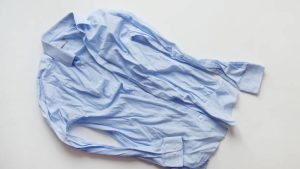
- Wrinkled or visibly dirty clothes. Even an expensive suit looks careless when it is badly creased or stained. Check the entire outfit the night before rather than discovering a problem as you leave home.
- Clothes that do not fit properly. Constantly pulling down a jacket, adjusting a waistband or fixing a shirt collar will distract you as well as the interviewer.
- Ripped or heavily distressed denim. Even where denim is acceptable, distressed styles usually add unnecessary risk to an interview.
- Large slogans and graphic prints. Your clothing should not compete with your answers for the interviewer’s attention.
- Very bright or visually busy combinations. Colour is not forbidden, but several loud elements together can overwhelm an otherwise professional outfit.
- Athleisure and gym clothing. Leggings designed primarily for exercise, sports shorts, running tops and similar items are rarely appropriate for a professional interview.
- Beach footwear. Flip-flops and similar shoes are too casual for almost any standard Hong Kong office interview.
- Dirty or heavily worn shoes. Shoes are a small detail, but obvious neglect can undermine an otherwise polished outfit.
- Too many accessories. Jewellery, watches, bags and other accessories should support rather than dominate your appearance. CUHK Careers advises keeping interview accessories subtle and minimal.
- Strong fragrance. You do not know whether an interviewer is sensitive to perfume or aftershave. A light approach is safer.
- Clothing that is uncomfortable when sitting. Try your outfit while seated. Interviews are often much longer than the few minutes you spend checking yourself in a mirror.
- An outfit you have never worn before. Test new shoes, jackets or trousers in advance. The morning of an interview is a poor time to discover that something is uncomfortable.
- Clothing that is much more casual than the company environment. If everyone you researched wears business attire, turning up in a polo and trainers creates an avoidable mismatch.
- Extreme overdressing in a clearly informal setting. A three-piece suit can also be distracting if the recruiter explicitly told you the interview is casual. Professional does not have to mean ceremonial.
- Ignoring the interview format. A video interview needs camera-friendly colours and patterns; a construction-site interview may require appropriate footwear; an assessment centre may involve several hours of movement and group exercises.
- Choosing fashion over concentration. If an outfit makes you worry about how you look throughout the interview, choose something simpler.
Virtual interviews deserve the same attention. Indeed Hong Kong’s June 2026 guidance recommends professional attire even when the interviewer only sees your upper body, and suggests plain or restrained patterns and muted colours that work well on camera.
For an in-person Hong Kong interview, plan the commute as part of the outfit. If the weather is hot, allow enough time to cool down before entering reception. Carry a compact umbrella if rain is likely, and avoid arriving with a jacket visibly soaked through. Keeping a few tissues or a handkerchief in your bag can also be surprisingly useful after walking from the MTR.
Most importantly, do not confuse expensive clothing with professional clothing. Interviewers are assessing whether you understand the workplace, communicate well and can do the job. A simple, clean HK$500 outfit that fits properly can be much more effective than a poorly chosen luxury ensemble.
The most reliable interview dress code is therefore one that keeps clothing in the background. Research the employer, match the role, choose the correct level of formality and make sure everything is clean and comfortable. Once the conversation starts, your experience and answers should become more memorable than your outfit.
References
- Jobsdb Hong Kong, Smart Business Attire: Dressing for Success, updated in 2026. Covers professional interview attire, business-formality levels, fit, colours and common clothing mistakes.
- Jobsdb Hong Kong, Interview Mistakes That Could Cost You the Job, 2026. Provides Hong Kong-specific guidance on smart or semi-formal dressing and coordinated smart casual for creative or technology workplaces.
- Indeed Hong Kong, Job Interview Tips: How to Make a Great Impression. Advises candidates to research the employer’s workplace attire and ask recruiters about dress expectations where possible.
- Indeed Hong Kong, What Is an Acceptable Video Interview Dress Code?, updated in June 2026. Covers professional video-interview clothing, plain and muted colours, suits, blazers, shirts, skirts, dresses and professional footwear.
- Robert Half Hong Kong, Preparing for a Job Interview in Hong Kong. Recommends professional, role-appropriate business attire and clean, ironed, presentable clothing.
- Hays Hong Kong, Essential Tips on What to Wear for Job Interviews in Hong Kong. Covers professional staples, neutral colours and practical attire for in-person and remote interviews.
- CUHK Careers, Assessment Centre and Interviews. Recommends researching the employer and industry, generally using business-professional interview attire, choosing a neat and comfortable fit and keeping accessories subtle.
- Equal Opportunities Commission, Code of Practice on Employment under the Sex Discrimination Ordinance. Advises gender-neutral workplace policies and states that grooming requirements should be necessary, reasonable, even-handed and non-discriminatory.
Disclaimer
The content of this article reflects the author’s personal views and is provided for informational purposes only. It should not be regarded as professional investment, medical, legal, employment, or other specialist advice. Some information in this article is sourced from publicly available online materials. If any content is found to infringe copyright, please contact the website administrator for prompt removal or correction.
Readers are solely responsible for any actions taken based on the information provided in this article. The website accepts no legal liability for any risks, losses, or damages arising from such actions.
For more details, please see the Disclaimer.